
Culture and Morality Lab · University of Massachusetts Amherst
How culture shapes morality
We study how culture shapes moral values and norms, across societies today and across historical time. Combining computational methods, experiments, and fieldwork, we ask why morality binds people together, and why it sometimes divides them.
Welcome
The Culture and Morality Lab investigates the interplay between culture and moral psychology, who we consider one of “us,” what we owe each other, and how those intuitions differ across time and place.
Based in the Department of Psychological and Brain Sciences at University of Massachusetts Amherst, we combine computational techniques, particularly natural language processing, with laboratory experiments and fieldwork. Much of our work looks beyond the WEIRD (Western, Educated, Industrialized, Rich, and Democratic) populations that dominate psychological science.
Research
Three questions drive our work
Each program stands on its own, but they share one premise: moral psychology can only be understood in cultural context.
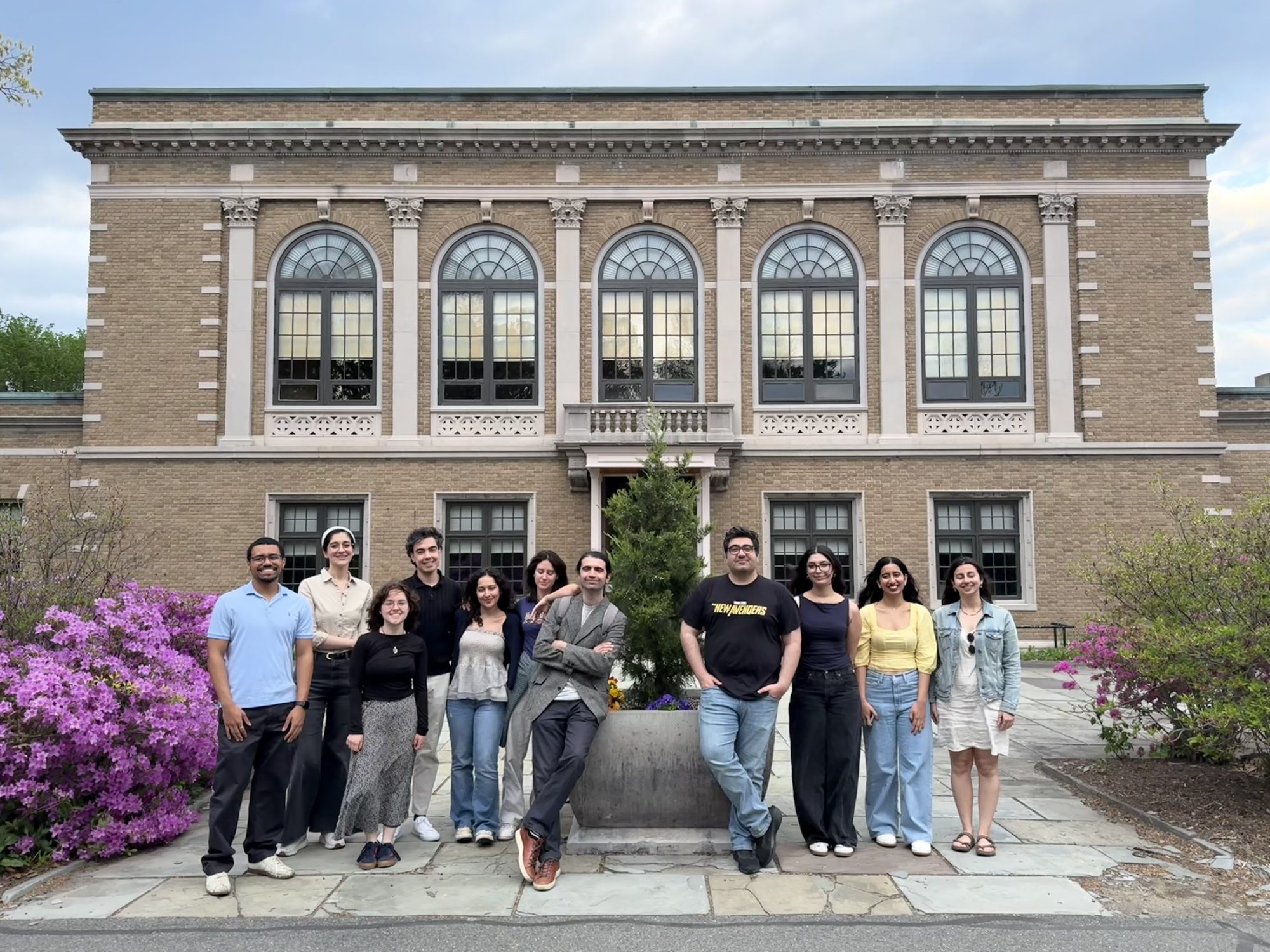
Community
Related projects
Tools and collaborations from the lab and the broader culture-and-morality and historical-psychology research community.



Our Location
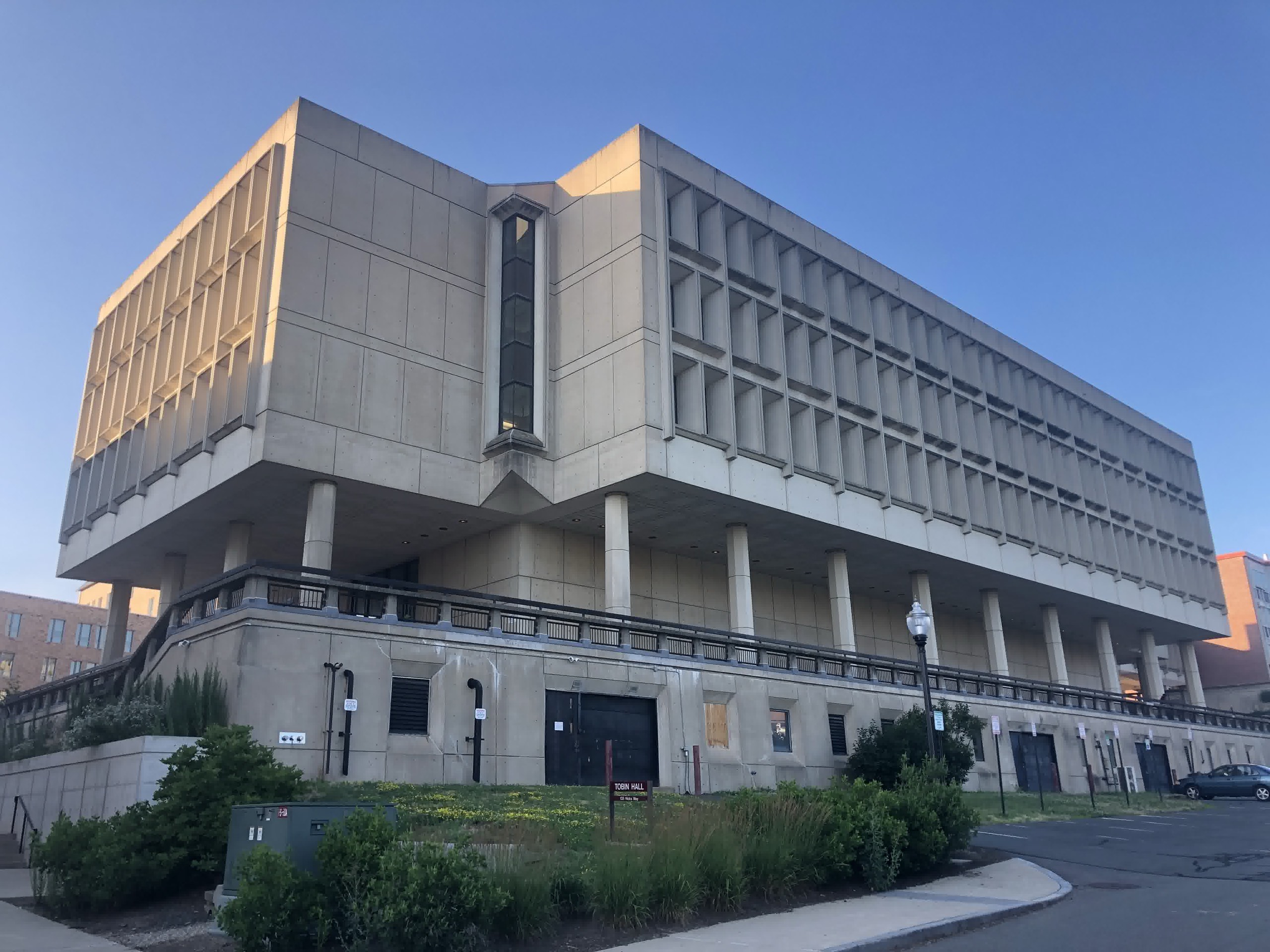
You’ll find us in Tobin Hall, in the heart of the UMass Amherst campus.
Department of Psychological and Brain SciencesUniversity of Massachusetts Amherst135 Hicks WayAmherst, MA 01003, USA